How to Save Money as a Travel Nurse?
Travel nursing is one of the best paying healthcare jobs, to compete rates of employment, housing allowance, travel expenses and visit to new places. But if you’re not careful, you can easily drain your paycheck with frequent moves, temporary lodging, transportation and everyday living expenses.
For achieving long-term financial stability as a travel nurse, it’s crucial to learn how to save money. Smart financial habits can help you get the most out of every assignment, whether you’re saving up for a home, paying off student loans, building your emergency fund or planning for retirement.
This guide provides you with some tips and tricks that seasoned travel nurses can use to earn the most money possible without sacrificing your lifestyle.
Know your overall compensation package
Many travel nurses consider just the hourly salary. In truth, there is so much more involved in your compensation.
The following is a list of the items that can be included in your package:
- Tax-free housing stipends
- Meals and other allowances for incidents
- Travel reimbursements
- Completion bonuses
- Overtime opportunities
- Health insurance
- Retirement benefits
When you’re considering a job, don’t just compare hourly rates, you should look at the overall deal.
Make a Budget First of Each Assignment
The cost of living varies by each area. The budget that is suitable for one city can be inappropriate for another.
Before arriving, estimate:
- Housing costs
- Transportation
- Groceries
- Utilities
- Internet
- Parking fees
- Entertainment
- Emergency expenses
If you plan ahead then you will avoid overspending in your first few weeks.
Follow the 30/30/30/10 Budget Rule
Saving money is easier with a simple budgeting system.
- The housing and transportation needs, at 30%, are also covered.
- 30% – for everyday expenses.
- 30 % saving, investing, and debt repayment
- 10% for fun and recreation and personal use
By giving travel nurses flexibility, they can enjoy their money and continue to grow their wealth.
Choose Affordable Housing
Your cost of housing is often the biggest share of your expenses.
Do not make an instant decision to rent a short-term apartment and then spend a lot on it, but the comparison of multiple options like furnished apartments, extended-stay hotels, shared housing, or nurse-specific housing platforms.
If you live a little outside the city centre, you can save a lot of rent, and only commute a little.
If your employer offers housing allotment, try to spend below the allotment and save the rest.
Prepare most meals at home
It may be easy to lose money when you go to a restaurant every day.
When you make your own meals at home, you:
- Save hundreds of dollars per month!
- Eat healthier
- Reduce food waste
- Don’t pay extra charges for delivery
Preparing a meal once or twice a week will not only save time, it will also save money.
Limit Transportation Expenses
Please note that the transportation amount may differ depending on your assignment.
Here are some of the ways to cut costs:
- Carpooling with coworkers
- Walking when possible
- Using public transportation
- Multi-use trips
- Properly maintaining your vehicle for fuel savers
If your assignment is close to your housing then you may even get away without owning a car for a short time.
Make use of Tax Deductions
Many travel nurses can enjoy significant tax benefits when they have a proper tax home and satisfy certain requirements.
Depending on your situation and tax laws, you may be eligible for tax-free stipends and tax deductions for work-related expenses.
Tax rules are complicated, make sure to get a tax professional who is familiar with the tax situation of travel healthcare professionals to file for you.
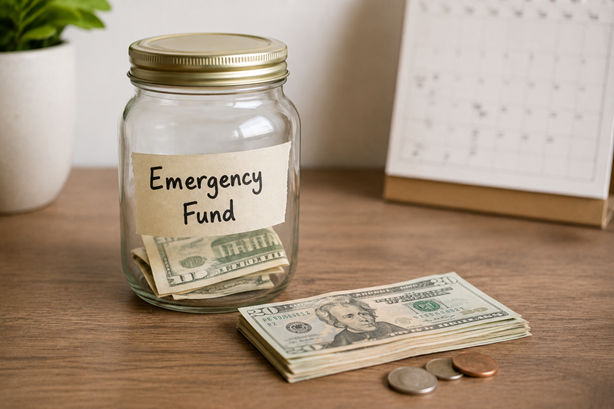
Create an Emergency Fund
Assignments may come to an early end.
With 3-6 months of living expenses in place you’re more likely to be at ease when you face:
- Contract cancellations
- Medical emergencies
- Vehicle repairs
- Delays between assignments
Keep emergency savings in an easily-accessed, high-yield savings account.
Pay Off High-Interest Debt
Travel nursing can be a way to make more money than a traditional staff nurse.
Pay down debt with portion of extra income:
- Credit card balances
- Personal loans
- High-interest student loans
Debt reduction decreases the financial burden that is felt each month.
Avoid Lifestyle Inflation
Travel Nurses make a lot more money after leaving their permanent jobs.
Rather than using the “raise money to spend” strategy, you can use the “spend money to raise money” strategy by directing every raise to the following:
- Retirement accounts
- Emergency savings
- Investments
- Savings on home down payment
With the concept of living below your means, you are going to find long term financial freedom.
Maximize Employer Benefits
Check all of the benefits that come with your agency.
You may receive:
- Retirement matching
- Continuing education reimbursement
- Licensing assistance
- Certification reimbursement
- Health insurance
- Referral bonuses
The benefits enhance your overall compensation without the need for extra work.
Compare carefully all assignments
It doesn’t always pay to have a higher hourly wage.
Take into account the following:
- Cost of living
- Housing availability
- State income taxes
- Commute time
- Overtime opportunities
- Contract length
But sometimes working in a lower-paid, more affordable city means that you’re actually saving more money.
Track Every Expense
Sometimes the sum of small things are significant.
Track using a budgeting app or spreadsheet:
- Coffee
- Dining out
- Subscription services
- Fuel
- Shopping
- Entertainment
Examine your budget every week to determine what expenses are really unnecessary before they turn into a habit.
Save Automatically
When you have automation in place, you won’t be tempted to spend.
Transfer to every payday to:
- Emergency fund
- Retirement account
- Investment account
- Vacation savings
- Home savings
When you’re setting up a budget, pay yourself first, and then pay your other bills.
Plan Assignments Strategically
Travel nurses with experience tend to plan travel jobs for the highest possible pay.
For example:
- Take on offers from contractors that pay completion bonuses.
- Work when needed.
Select assignments that offer large stipends. - Avoid contract breaks (lulls) unless it is necessary.
- If you can, you should look to live in a place that has a lower cost of living.
Your annual savings can make a huge difference with strategic planning.
Invest for Your Future
Saving money is just a beginning!
Think about making regular contributions to a variety of retirement and/or investment accounts that are appropriate for your goals and tolerance for risk. Early is key to compound growth over time.
When looking for a starting point, it’s worth considering a financial advisor who can help you create an investment plan in line with your long-term goals.
Common Money Mistakes Travel Nurses Should Avoid
No matter how high your salary is, there are some financial mistakes that you could make and it could really end your financial health.
Common pitfalls include:
- Renting accommodation exceeding your income.
- Eating out too frequently.
- Ignoring retirement savings.
- Having credit card debt.
- Not tracking expenses.
- Regularly replacing vehicles or electronic equipment.
- Not having an emergency fund.
- Taking jobs without considering overall pay.
By making these mistakes, you can tie up more money you have earned.
Final Thoughts
The exciting prospect of travel nursing is that you’ll be able to earn more money, as well as obtain hands-on experience in various healthcare environments. But, a higher income doesn’t necessarily mean financial success.
When it comes to saving money as a travel nurse, it’s all about planning, budgeting, and making smart moves when it comes to lodging and saving. Travel nursing is a flexible and adventurous career path that offers you the opportunity to earn more money, but with a few strategies, you can achieve financial stability and secure your future.
Making small financial decisions consistently on every assignment can add up over time to a great amount of money saved and increased financial independence.
Frequently Asked Questions
How much should a travel nurse save?
The rule of thumb is to try to save 20 – 30% of your income when possible. Keeping housing and expenses under the travel nurse’s stipend is another way many save even more money on their travel nursing assignment.
Is travel nursing a good career for saving money?
Yes. Travel nursing often offers higher pay than permanent staff positions. It can pay off debt and be a great option to build savings if managed wisely and the assignments are carefully budgeted.
To rent or buy a house when working as a travel nurse?
Renting furnished apartments is typically more convenient for short term rentals. Typically, purchasing real estate is more advantageous for those who intend to remain in a location for some time.
What are ways for travel nurses to save on their food costs?
You can save a lot of money each month by cooking at home, meal planning, buying groceries on a list and dining out less often.
Which is most expensive for most travel nurses?
Housing costs are usually the most significant cost. Saving money by selecting affordable housing and remaining within your housing allowance can make a big difference to your savings.
Is it possible for travel nurses to become wealthy?
Absolutely. Travel nurses can amass significant wealth over time by keeping a budget, avoiding lifestyle inflation, paying off high-interest debt, investing regularly and capitalizing on any perks that their employer offers.