Effective Money-Saving Tips for Pet Owners
My dog needed emergency surgery two years ago, and the bill was more than my first car cost. I paid it without hesitation, obviously — but that vet visit is exactly what pushed me to get genuinely serious about cutting pet costs everywhere else in our routine, so a future emergency wouldn’t feel quite so financially terrifying. What I found, once I actually dug into it, surprised me: most of the meaningful savings had nothing to do with loving my dog any less. They were just smarter systems.
So here are the money-saving tips for pet owners I’ve actually tested myself, layered with what consistently shows up across veterinary care portals, welfare organizations, and pet owner communities on Reddit. None of this involves skimping on your pet’s actual health or happiness — if anything, a few of these tips genuinely improve their quality of life while saving you money at the same time.
Vet Healthcare and Medication: Where the Real Money Goes
Medical expenses are the biggest and most unpredictable chunk of pet ownership costs, which is exactly why smart healthcare strategy matters more here than in any other category.
Prevention Is Genuinely an Investment, Not a Cost
Skipping a core vaccine to save a small upfront fee is one of the most expensive false economies in pet ownership. A preventable disease like parvo or feline leukemia can turn into thousands of dollars in emergency treatment, all to avoid a vaccine that would have cost a fraction of that. If cost is genuinely the barrier, look into low-cost vaccine clinics — local animal shelters, nonprofit rescues, and pet supply chains frequently host mobile or discounted clinics offering core vaccines, microchipping, and rabies shots at a fraction of private vet pricing.
Dental care falls into this same bucket, and it’s the one I underestimated the most before I started paying closer attention. Periodontal disease is one of the most common and expensive conditions in adult dogs and cats, and a professional cleaning under anesthesia can easily run $500 to $1,200. Daily brushing with pet-safe toothpaste, or regular use of vet-approved dental chews, genuinely prevents the tartar buildup that leads there in the first place. It takes about ninety seconds a day and it’s saved me a real amount over time.
Buy Medications Smarter
Flea and tick preventatives, heartworm medication, and other long-term prescriptions are often marked up significantly when purchased directly at the vet’s front desk. Ask your vet for a written prescription and fill it through an accredited online pet pharmacy, or in some cases a human pharmacy like Costco for cross-over medications — this alone can yield 20% to 40% in savings on the exact same medication.
Buying in bulk helps too. A 6-month or 12-month supply pack for a seasonal or year-round preventative almost always lowers your per-dose cost compared to buying single packs repeatedly throughout the year.
Smart Nutrition: Feeding Well Without Overspending
Food is a genuinely recurring, fixed cost, and a few small adjustments here compound meaningfully over a year.
Measure Instead of Eyeballing
Eyeballing food scoops leads to chronic overfeeding almost every time, and it’s easy to not notice it happening. Exact portion control stretches each bag of kibble noticeably further, and it also protects your pet from obesity, which carries its own downstream costs — joint issues, diabetes, and heart disease down the road, all of which cost far more to treat than a measuring cup ever will.
When you’re comparison shopping, calculate the price per pound or per ounce rather than judging by the total bag price alone. Larger bags frequently work out to a lower unit cost, even though the sticker price looks bigger at checkout.
Use Autoship and Compare Store Brands Honestly
Retailers like Chewy, Amazon, and Petco offer meaningful discounts, often 5% to 35%, on autoship orders, both on the first order and on recurring deliveries after that. Setting up automated delivery for staple food, litter, and treats locks in that lower price without you having to remember to reorder manually.
It’s genuinely worth looking closely at store-brand food too, rather than assuming boutique brands are automatically better. Many store-brand dog and cat foods meet the same standards set by the Association of American Feed Control Officials at a significantly lower price point than premium labels — the ingredient list is what actually matters, not the packaging.
DIY Grooming: The Fastest Way to Cut a Recurring Bill
Professional grooming for dogs needing regular haircuts, nail trims, and de-shedding can run $60 to $150 or more per session. Taking over the basics at home produced some of the fastest, most noticeable savings I made.
Start with a modest one-time investment in tools — a heavy-duty nail grinder or guillotine clipper, a slicker brush, an undercoat rake if you’ve got a double-coated breed, and pet-formulated shampoo. All of it together typically runs under $50, and it pays for itself within a couple of sessions.
Set a routine bathing and brushing schedule and actually stick to it. Weekly brushing removes loose fur and prevents the kind of painful matting that eventually requires a professional shave to fix. Bathing at home on a regular cadence keeps your pet’s coat clean and their skin healthy without a monthly appointment.
Nail grinding and ear cleaning are worth learning at home too, since they eliminate a whole category of monthly vet or groomer visits. Desensitize your pet to paw handling early, using plenty of positive reinforcement treats, and grind nails every two to three weeks to keep the quick short. This alone avoids $15 to $25 per visit in nail trim fees, which adds up fast over a year.
Toys and Enrichment Without Constant New Purchases
Impulse-buying toys and accessories quietly inflates a pet budget more than most owners realize, and a couple of simple behavioral tricks eliminate most of the need for constant new purchases.
The Closet Rotation Trick
Instead of buying something new the moment your pet seems bored, gather their current toy collection and hide about half of it away in a closet. Every two to three weeks, rotate the hidden toys back out and swap them for the ones currently in circulation. Pets genuinely treat “rediscovered” toys like brand-new ones — my dog reacts to a toy she’s had for a year like it’s a completely new gift, every single rotation.
DIY Enrichment Costs Almost Nothing
A folded paper towel or toilet paper roll with dry treats or kibble tucked inside makes a genuinely engaging treat roller for a dog or cat to work at. Old bath towels can be braided into a sturdy tug rope. And for cat owners, wrapping cheap sisal rope around an unused wooden post or a sturdy cardboard box creates a long-lasting scratching surface without the cost of an expensive cat tree.
Buy Hard Goods Secondhand
Items like crates, travel carriers, playpens, and ceramic bowls don’t really degrade over time, which makes them excellent secondhand purchases. Check Facebook Marketplace, OfferUp, or a local thrift store before buying new — you can often find these items for up to 70% off retail, in genuinely good condition. If you want a broader approach to secondhand shopping as a general money-saving habit, I’ve written more on that here: loonnews.com/best-money-saving-tips.
Pet Sitting, Boarding, and Exercise: Skip the Premium Pricing
Boarding kennels and professional dog walkers can run $30 to $100 or more per day, which adds up fast if you travel often or work long hours. Finding community-based alternatives kept our costs manageable without sacrificing reliable care.
| Expense Category | Traditional Cost | Budget-Friendly Alternative | Potential Savings |
|---|---|---|---|
| Daily exercise | Paid professional dog walker | Midday home visits, neighbor swaps, active family routines | $200–$500/month |
| Vacation boarding | Commercial kennel or pet hotel | Reciprocal pet-sitting swap with trusted friends or neighbors | $50–$100/night |
| Long-term house sitting | Private paid house sitter | Verified house-sitting platforms | $500–$1,500/trip |
[Suggested image: a clean, scannable version of the table above as a shareable graphic. Place directly after this section.]
Reciprocal pet-sitting swaps have honestly been one of our best finds — a neighbor with a dog of similar temperament watches ours when we travel, and we return the favor. It costs nothing beyond the occasional thank-you gift, and both dogs get familiar company instead of an unfamiliar kennel environment, which is a genuine quality-of-life upgrade on top of the savings.
Insurance vs. a Dedicated Emergency Fund
This is the part that mattered most to me after that surgery bill, and it’s worth thinking through deliberately rather than defaulting into either option.
Accident and illness pet insurance is worth locking in while your pet is young and free of pre-existing conditions, since coverage gets harder and pricier to obtain later in life. Compare deductibles, reimbursement percentages (typically 70%, 80%, or 90%), and annual limits carefully before choosing a plan — they vary a lot between providers.
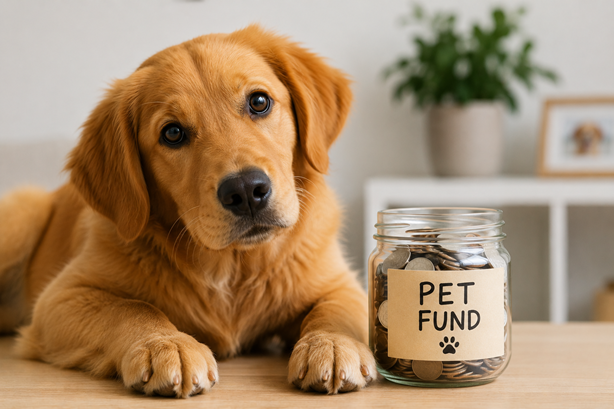
If premiums for an older pet feel prohibitive, a dedicated pet emergency savings account is a solid alternative. Set up an automated monthly transfer into a high-yield savings account reserved exclusively for pet health emergencies, so the money is there and growing before you ever need it. I’ve written a full guide on building an emergency fund from scratch, even starting small, here: loonnews.com/how-to-build-1000-dollars-emergency-funds — the same starter-milestone approach applies well to a pet-specific fund, just scaled to what a typical emergency visit costs in your area.
It’s also worth asking your clinic directly whether they accept low-interest or 0% APR health financing options, like CareCredit or Scratchpay, which let you split a sudden vet bill over several months instead of paying it all at once. Knowing this option exists before you need it, rather than scrambling to find it during an actual emergency, makes a real difference in how stressful that moment feels.
Bringing It All Together
If you’re not sure where to start, here’s the order I’d tackle this in. Start with prevention — get current on vaccines, begin daily dental care, and switch your medication purchasing to an accredited online pharmacy with your vet’s written prescription. Then move to food — measure portions precisely, compare price per unit rather than per bag, and set up autoship on your staples. From there, invest in basic grooming tools and commit to a weekly brushing and nail routine at home. And finally, decide deliberately between pet insurance and a dedicated emergency fund, rather than defaulting into neither and hoping nothing happens.
None of this requires loving your pet any less or cutting corners on their actual care — if anything, several of these habits, like regular dental brushing and portion control, genuinely improve their long-term health while saving you money at the same time. That’s really the whole point of doing this well.
Quick Answers to Common Questions
What’s the single biggest way to save money on pet care?
Prevention, consistently. Staying current on vaccines and dental care avoids the kind of expensive emergency treatment that dwarfs whatever the preventive care would have cost.
Is it worth switching to store-brand pet food?
Often, yes — many store-brand foods meet the same AAFCO standards as premium brands at a meaningfully lower price. Check the actual ingredient list rather than assuming a bigger brand name means better nutrition.
Should I get pet insurance or just save money myself?
It depends on your pet’s age and your risk tolerance. Insurance is most valuable when locked in young, before any pre-existing conditions develop. A dedicated emergency savings account works well as an alternative, especially for older pets where premiums get expensive.
Can I really groom my pet at home instead of paying a professional?
For most routine maintenance, yes — regular brushing, bathing, and nail grinding are all manageable at home with a modest one-time tool investment, and they prevent the matting and overgrown nails that lead to a more expensive professional visit later.
Save Money, Not Love
Every tip here is something I’ve genuinely tried, not just read about — and none of it meant loving my pet any less carefully. It just meant being a little more deliberate about where the money actually goes. Start with one category, whether that’s dental care, food, or grooming, get comfortable with it, and layer in the next one. Your pet won’t notice the savings. They’ll just notice you’re around more, a little less stressed about the next vet bill.