How to Stop Overspending Money (Even If You’ve Tried Before)
I used to check my bank balance the way some people check a scary text message — quickly, with one eye half closed, hoping it wasn’t as bad as I thought. Spoiler: it usually was.
If you’ve ever opened your banking app and thought “wait, where did all of that go,” you already know what overspending feels like. It’s not really about being bad at math. It’s about money quietly slipping through cracks you didn’t even know were there — a late-night Amazon order, a “treat yourself” coffee run, a group dinner you didn’t really want to split five ways.
The good news? Overspending isn’t a personality flaw. It’s a pattern, and patterns can be changed. I pulled together everything that actually works — backed by research, tested by real people on Reddit and YouTube, and refined by financial pros — to figure out how to stop overspending money without turning your life into a spreadsheet of misery. And because so many people ask specifically about this, I’ve also included a full section on how to stop overspending with ADHD, since that’s a genuinely different (and harder) challenge.
Let’s get into it.
What Overspending Actually Means
Overspending is simple to define but easy to miss in the moment: it’s when you consistently spend more than you earn, or more than you planned to, not just once, but as a pattern. According to Landmark Credit Union, if you’re regularly breaking your own budget or spending beyond your income, that’s the behavioral definition right there.
A few signs I’ve noticed in myself (and heard echoed constantly in finance forums):
You’re saving less than 5% of what you earn, or nothing at all. Your credit card balance never quite hits zero. You feel a little jolt of dread before opening your banking app. You genuinely don’t know where last month’s paycheck went.
Here’s the part I wish someone had told me earlier: overspending usually isn’t a moral failing. Sites like Mindfully Money push back hard on the “you’re just bad with money” narrative, framing it instead as a mismatch — either you can’t see your spending clearly, or your system doesn’t match how your brain actually works. That reframe changed how I approached fixing it, and I think it’ll help you too.
Why We Overspend in the First Place
Before jumping into fixes, it helps to understand why this happens, because most overspending isn’t really about the item you’re buying.
It’s a Dopamine Thing
Every purchase — especially the impulsive ones — gives your brain a small dopamine hit. That’s the same chemical tied to pleasure and anticipation. The problem is that the high fades fast, so it creates a loop: feel stressed → buy something → feel good briefly → feel guilty → feel stressed again → buy something else. Sound familiar?
Common Emotional Triggers
Across dozens of psychology-focused sources, a few triggers show up again and again:
Stress and anxiety push people toward “retail therapy” as a distraction. Boredom turns shopping into a form of low-effort entertainment, especially while scrolling your phone. Loneliness plays a bigger role than most people admit — one source estimated that around 45% of emotional shoppers use purchases to fill a social or emotional gap. Even positive emotions can trigger overspending, like buying something expensive to celebrate a win, since we rarely think of happiness as a spending risk.
There’s also the social pressure angle — spending to keep up with friends or avoid feeling left out — and something researchers call “image spending,” where money is used to project status. Interestingly, this isn’t just a low-income issue. Research on households worth $1–10 million has shown they often spend all or more of their income trying to keep pace with even wealthier peers, according to academic work cited by multiple financial sources. Money doesn’t fix this pattern — awareness does.
Stores Are Designed to Make You Spend
It’s not all in your head, either. One-click checkout, saved card details, flash sales, “only 2 left” messaging — these are deliberately engineered to short-circuit rational decision-making. Even something as simple as grocery shopping while hungry has been shown to increase impulse purchases. None of this is an accident.
Step 1: Start Tracking (Even If You Hate It)
I’ll be honest — tracking spending was the step I avoided the longest, because I didn’t want to see the numbers. But every single source I found, from banks to Dave Ramsey-style budgeting content, agrees on this: you can’t fix a leak you can’t see.
Here’s a simple way to start:
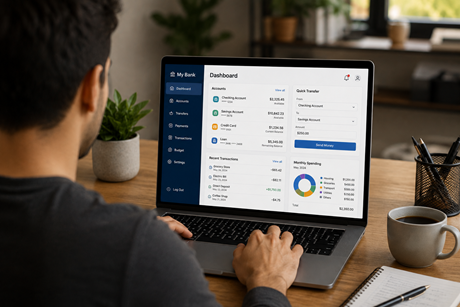
Pull your last one to three months of bank and credit card statements, then sort every transaction into rough buckets — essentials, wants, and impulse buys. Use whatever tool you’ll actually stick with; it genuinely doesn’t matter if it’s a fancy app like YNAB or Rocket Money or a basic spreadsheet. What matters is consistency. Most experts recommend tracking every dollar for at least 30 days before making big changes, which lines up with how long it typically takes to actually see your pattern clearly.
One thing Clearview FCU specifically warns against is the “set it and forget it” trap — checking your budget once a month isn’t enough. A quick weekly glance builds real awareness instead of a monthly surprise.
Pick One Budgeting Framework (Not Five)
There are a few popular systems worth knowing:
The 50/30/20 rule splits income into 50% needs, 30% wants, and 20% savings or debt repayment — simple, but not ideal for very low or very high incomes. Zero-based budgeting gives every dollar a “job” before you spend it. Reverse budgeting flips the order entirely: you save first, automatically, and only spend what’s left over.
If the word “budget” makes you want to close the laptop and never open it again, you’re not alone — some finance creators now use terms like “money map” or “spending plan” instead, specifically because “budget” feels punishing to a lot of people. Whatever you call it, pick one system and stick with it rather than trying to run three at once.
Here’s something I didn’t expect: strict budgets can actually backfire. Sources like Origin note that overly rigid budgets tend to trigger guilt, and one slip-up often causes people to abandon the whole system entirely — a kind of “well, I already messed up, might as well keep going” spiral. The fix is to build in a small buffer or “fun money” category from day one, so a single overspend is just data, not a moral failure.
Step 2: Make Spending Physically Harder
This is, hands down, the most repeated piece of tactical advice across Reddit threads, finance blogs, and Motley Fool-style articles: don’t rely on willpower — redesign your environment so spending takes more effort.
Delete stored payment info from every shopping app and browser. This one gets mentioned constantly, and for good reason — one Reddit account described how removing saved card data nearly eliminated late-night impulse purchases, because the extra step of physically grabbing a card gave the urge time to fade.
Other friction-adding tactics worth trying: leave your credit card at home on days you don’t need it, unsubscribe from every retail marketing email and text (they’re designed to create false urgency), disconnect your card from social shopping apps like Instagram and TikTok, and switch to grocery pickup instead of browsing in-store, where displays are deliberately designed to tempt you.
If you want a deeper breakdown of specific money-saving swaps, we’ve also covered practical grocery budgeting tricks over on loonnews.com/grocery-budget-tips.
Step 3: Try the Envelope Method (Yes, Even in 2026)
The envelope system — also called “cash stuffing” — keeps showing up across every type of source, from credit unions to TikTok trends. The idea is simple: divide your income into spending categories, put physical cash into labeled envelopes, and once an envelope’s empty, that category is done for the period.
There’s real research behind why this works. Paying with cash creates something economists call the “pain of paying” — physically handing over money registers as a loss in a way a card tap simply doesn’t. Some sources cite people spending 12–18% less when using cash instead of cards.
If literal cash envelopes feel outdated, digital versions like Goodbudget replicate the same “empty envelope, stop spending” logic for online purchases and subscriptions. A lot of people land on a hybrid: cash for temptation categories like dining out, and automated systems for fixed bills.
A tip worth stealing — start with just 5 to 7 categories in your first month. Adding too many too fast is one of the most common reasons people abandon the system entirely.
Step 4: Automate Everything You Can
If tracking spending is step one, automation is the step that actually saves you long-term, because it removes the moment where overspending happens — the in-the-moment decision.
Set up automatic transfers to savings on payday, before you have a chance to spend it. Automate your bill payments so nothing slips through the cracks. And consider opening a separate “fun money” account that gets funded automatically each pay period — once it’s empty, discretionary spending stops, no negotiating required.
This isn’t just theory. One financial advisor who works specifically with ADHD clients told BuzzFeed News that automation “saved his financial life,” since bills get paid whether he remembers or not.
Step 5: Figure Out Your Emotional Triggers
Since so much overspending is emotional rather than logical, generic advice only goes so far. What actually helps is figuring out your specific pattern.
Try keeping a spending diary for a couple of weeks — not just what you bought, but the time, place, and mood behind it. You might notice something like “I always order takeout after a stressful Tuesday” or “my impulse buys cluster around 11pm.” Once you can name the trigger, you can plan around it — a walk, a phone call to a friend, journaling, anything that gives you a similar emotional release without the receipt.
And don’t ban fun spending entirely. Sources like Cornerstone Trust specifically warn against the all-or-nothing approach (“I’ll never buy anything fun again”) because it rarely lasts. Build a small, pre-approved “fun” or “celebration” budget line instead, so the impulse has somewhere legitimate to go.
The 24-Hour (and 30-Day) Rule
If there’s one universal tip across literally every source I looked at, it’s this: add a mandatory pause before buying anything nonessential.
For smaller purchases, try the 24-hour rule — wait a full day before buying, and if you still want it and it fits your budget, go for it. For bigger purchases, SoFi recommends a 30-day version: write down the item, its price, and where you saw it, then revisit it a month later. Some ADHD-specific sources even stretch this to 48 hours, since it can take longer for that initial dopamine spike to fade.
The trick to actually making the pause work is to not check out immediately — put the item in your cart and walk away, or screenshot it for later. A surprising number of “must-have” items lose their appeal completely once the urgency wears off.
How to Stop Overspending With ADHD
This deserves its own section, because ADHD genuinely changes the equation — and most standard budgeting advice just doesn’t work the same way for ADHD brains.
Why ADHD Makes This Harder
A few mechanisms show up repeatedly in ADHD-specific research and coaching content:
ADHD is linked to differences in dopamine regulation, which makes the instant reward of a purchase feel disproportionately appealing compared to a delayed reward like long-term savings. Then there’s “time blindness” — a well-documented ADHD trait where the future feels abstract, making it genuinely hard to save for something that won’t happen for months or years. Add emotional dysregulation, which makes shopping an easy, fast way to self-soothe, and executive function challenges that make sustained tracking and forecasting exhausting to maintain.
One financial advisor who works exclusively with ADHD clients — and has ADHD himself — put it well in an interview with BuzzFeed News: there’s no magic hack, but the real difference-maker is building “walls that don’t fall down.” In other words, systems robust enough to survive being forgotten about entirely, rather than systems that depend on remembering to follow them.
What Actually Works
Automate absolutely everything you can — direct-deposit splits, automatic bills, automatic transfers. This removes the need to remember or decide in the moment. Set up a dedicated impulse-spending account funded automatically each payday; once it’s empty, spending stops, no shame involved. Add deliberate friction, like a mandatory 24–48 hour wait for nonessential purchases and removing one-click checkout everywhere you can. Use visual trackers instead of abstract numbers — a chart or progress bar tends to land much better for ADHD brains than a spreadsheet full of digits.
It’s also worth separating the emotional root. If shopping is functioning like therapy, find something else that offers a similar hit of stimulation without costing anything — even redirecting that same craving toward a hobby or distraction works better than trying to suppress it outright.
Bring in an accountability partner who won’t judge lapses but will celebrate wins, and practice self-compassion after a slip. Multiple ADHD-focused sources are explicit about this: overspending once doesn’t mean failure, it means a lapse — and the goal is to keep going, not punish yourself into quitting the whole system.
Some sources also mention medication as part of a broader plan, in consultation with a doctor, since it can help manage the impulsivity that drives spending — though it’s meant to work alongside systems and strategy, not replace them.
If you want more on this specifically, we’ve got a deeper dive on loonnews.com/adhd-money-management covering daily routines that make budgeting less overwhelming.
What Reddit and Quora Communities Actually Say Works
I always trust unpolished, real-world advice a little more than brand content, so it’s worth noting what shows up repeatedly in community threads.
Redditors overwhelmingly favor mechanical fixes over vague mindset advice — deleting saved cards, canceling unused cards, switching to grocery pickup, and running no-spend challenges. One recurring mantra from a tech-worker’s post on a workplace forum: increase your income, keep expenses flat, automate investing the moment you get paid, and track every dollar weekly.
Quora tends to be split into two camps. Some answers take a blunt, tough-love approach, arguing overspending is an active choice and the fix is direct self-control. Others take a more diagnostic route, recommending a spending-mood diary to catch patterns like “image spending” — buying visibly expensive things specifically to project status. Both perspectives are worth knowing, even if the more compassionate, systems-based approach tends to actually stick long-term.
Try a No-Spend Challenge
If you want a reset button, a no-spend challenge is one of the most recommended tactics across finance sites like Experian and GOBankingRates. Pick a period — a week or a full month — and cut all nonessential spending, sticking to housing, groceries, utilities, and minimum debt payments only.
You can also run a narrower version targeting one weak spot, like “no takeout this month” instead of a full no-spend month. Either way, it’s a great way to see exactly how much of your “normal” spending was actually optional, and doing it with a friend adds built-in accountability.
Cash, Debit, or Credit — Which One Actually Helps?
This is genuinely debated. Dave Ramsey-style advice leans toward avoiding credit cards for discretionary spending entirely and paying in cash. More moderate voices, like Chase and SoFi, say credit cards aren’t inherently bad — they offer rewards and purchase protection — but if you’re prone to overspending, switching your primary spending to debit or cash creates a hard, real-time limit that a credit line simply doesn’t.
A middle-ground approach that a lot of people land on: keep the credit card for its perks, but remove saved numbers from apps, use cash specifically for your known “temptation zones” (dining out, your favorite store), and turn on spend alerts through your bank so you’re aware of your balance in real time instead of only at the monthly statement.
When Overspending Becomes a Bigger Problem
Everyday overspending usually responds well to the behavioral fixes above. But it’s worth knowing the signs that point to something more serious: missed bill payments becoming a pattern, credit balances that keep climbing without ever getting paid down, relying on credit or savings to cover basic routine expenses, or persistent stress and relationship strain tied to money.
Some researchers use the term “compulsive buying-shopping disorder” for more severe, distress-causing patterns, though it’s worth noting this isn’t currently a standalone diagnosis in the DSM-5, and the classification is still debated in clinical literature. If any of this sounds like you, reaching out to a financial coach or therapist isn’t a failure — it’s honestly one of the smartest moves you can make.
Building a System That Actually Lasts
If I had to boil down everything I’ve learned into one takeaway, it’s this: stopping overspending isn’t about one big dramatic change. It’s about layering a few small systems on top of each other — visibility through tracking, structure through one clear budgeting method, automation to remove decision fatigue, friction to slow down impulses, and self-compassion when you inevitably slip up.
Shame doesn’t fix overspending. If anything, it feeds the exact cycle you’re trying to break. Treat a bad month as information, not a verdict on your character, and keep adjusting the system rather than abandoning it entirely.
I won’t pretend I’ve got this perfect — some months I still catch myself circling back to old habits. But the difference now is I actually notice it happening, and I have a system in place that catches me before it spirals. That’s really the whole goal here.
Frequently Asked Questions
What’s the fastest way to stop overspending?
Add friction immediately: delete stored card info from your shopping apps and unsubscribe from retail marketing emails. Both take minutes and instantly cut down on impulse opportunities.
Is overspending a mental health issue?
Not usually. Most everyday overspending is a correctable behavioral pattern tied to stress, boredom, or social pressure. More severe, distress-causing patterns are sometimes described using terms like “compulsive buying,” though it’s not a standalone clinical diagnosis.
Does ADHD really cause overspending?
Research points to real links between ADHD traits — dopamine regulation, time blindness, emotional dysregulation — and higher rates of impulsive spending. It’s a contributing factor that makes certain strategies more effective, not an excuse or a life sentence.
Should I stop using credit cards completely?
It depends who you ask. Stricter voices say cut them out for discretionary spending; more moderate sources say keep them for the perks but add friction, like removing saved card numbers and using cash for temptation categories.
How long does it take to break the habit?
Most sources point to roughly 30 days as the sweet spot — long enough to track your real pattern and see meaningful change, which is also why most no-spend challenges are built around a one-month window.